

The search world saw a couple of changes in the month of October affecting the way people search and access information online. Comet is now available to every Perplexity user, including free users.
OpenAI released an AI-powered browser, ChatGPT Atlas, for all users on Mac devices. Google has fixed the glitch in Google Search Console and added Query Groups to Search Console Insights.
These are major changes that affect the way people can now interact with information they get from a search. They also affect how SEO professionals see and analyze data.
Key Takeaway
- AI browsers like ChatGPT Atlas, and Perplexity Comet are now available to everyone.
- Google releases a new feature in Search Console called Query Groups, helping SEOs analyze incoming search traffic better.
- Bing prioritizes content control: With the data-nosnippet attribute, publishers can now choose which parts of their content not to appear in AI and search snippets.
- Microsoft publishes an article on how to make content visible in AI results: using Structured data, clear formatting, and concise answers.
- SEO professionals debate: AI + Human content wins, Ahrefs’ October study shows top-ranking pages often blend AI-assisted writing with human editing and strategy.
- SEO fundamentals still matter: Crawlability, internal linking, and metadata remain crucial even in the era of AI search.
OpenAI launches its AI browser called ChatGPT Atlas
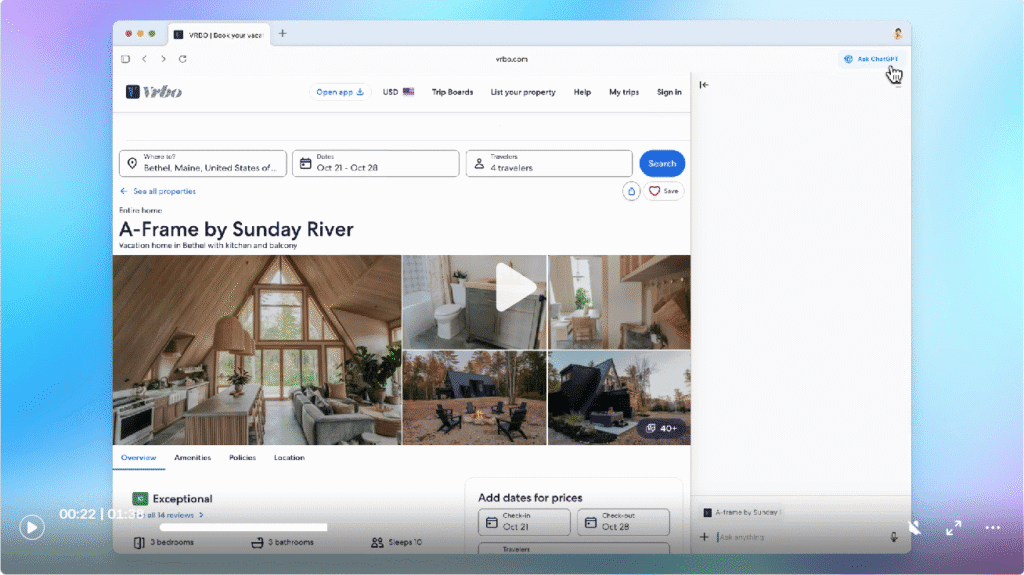
On the 21st of October, OpenAI launched ChatGPT Atlas, an AI web browser. It offers a couple of features beyond the normal browser we know.
An “agent mode” to browse and click on the user’s behalf, and easy access to ChatGPT to ask questions about a website, or for general knowledge.
Atlas is currently available only on Apple laptops. Watch Atlas’ live presentation on their YouTube channel.
The effect of ChatGPT Atlas on website traffic
The full effect of this new browser cannot be known yet, until full rollout, but a major SEO news outlet, Search Engine Land, predicts that Atlas will cause an increase in Ad spend and corrupt analytics data.
Perplexity made its AI browser Comet free worldwide
On the 2nd of October 2025, Comet became available for use to all perplexity users, whether paid users or free users. Its app can now be downloaded on Windows desktops and the Android Play Store.
Comet comes with AI agentic capabilities that can help summarize webpage content, manage emails, and help with shopping.

The effect of Comet on website Traffic
As a website manager or SEO specialist, you should expect more people to access your website through Comet, as well as an increase in engagement, as most people will interact with your webpages using Comet’s AI agentic ability.
Bing allows websites to hide some sections from its search results and AI answers
Microsoft, on the 15th of October 2025, announced that its search engine Bing would respect content tagged as premium content, using the data-nosnippet HTML attribute.
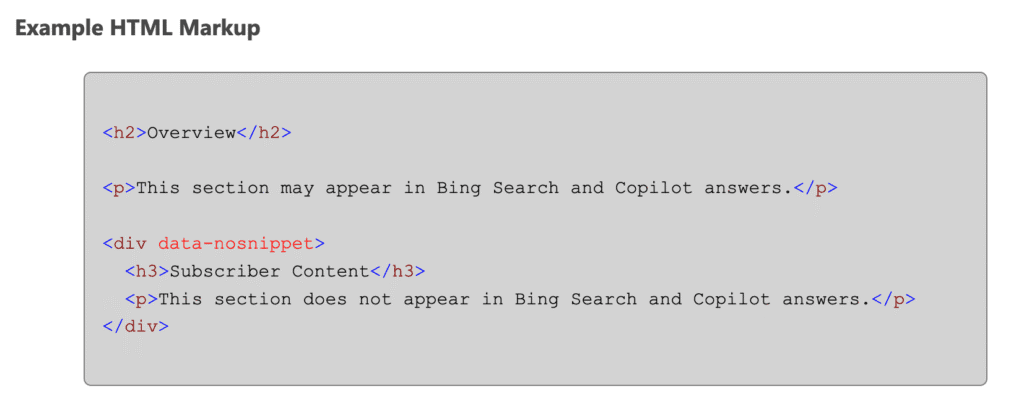
What this means is that a webpage can be indexed and visible in search results and AI answers, but sections of text within it can be excluded from being seen in search results and AI answers by including the data-nosnippet HTML attribute.
How to implement the data-nosnippet HTML attribute
If you have sections of a webpage that are outdated, or you want only your website visitors to read.
Include the data-nosnippet HTML attribute in the div header of that section.
Microsoft Ads published an SEO guide for AI search
Krishna Madhavan published a blog post titled “Optimizing Your Content for Inclusion in AI Search Answers” on the Microsoft Ads blog.
In this article, he stated that for content to be visible in AI search results, 4 core practices are important.
- Traditional SEO is important: Ensure crawlability, metadata, and internal linking remain the baseline.
- Structure your content: Use schema, clear headings, and modular layouts.
- Write with clarity: Be precise in language, context, and punctuation.
- Make answers snippable: Use concise, self-contained phrasing in lists, Q&As, and tables.
With this guide, you can optimize your webpages and blog posts to show up in AI answers. You can read the whole article here.
Google added Query Groups to Search Console Insights and has fixed the Search Console reporting glitch
Google added Query groups to the Search Console Insights report. Query groups similar search queries together so you can quickly see the main topics your audience searches for.
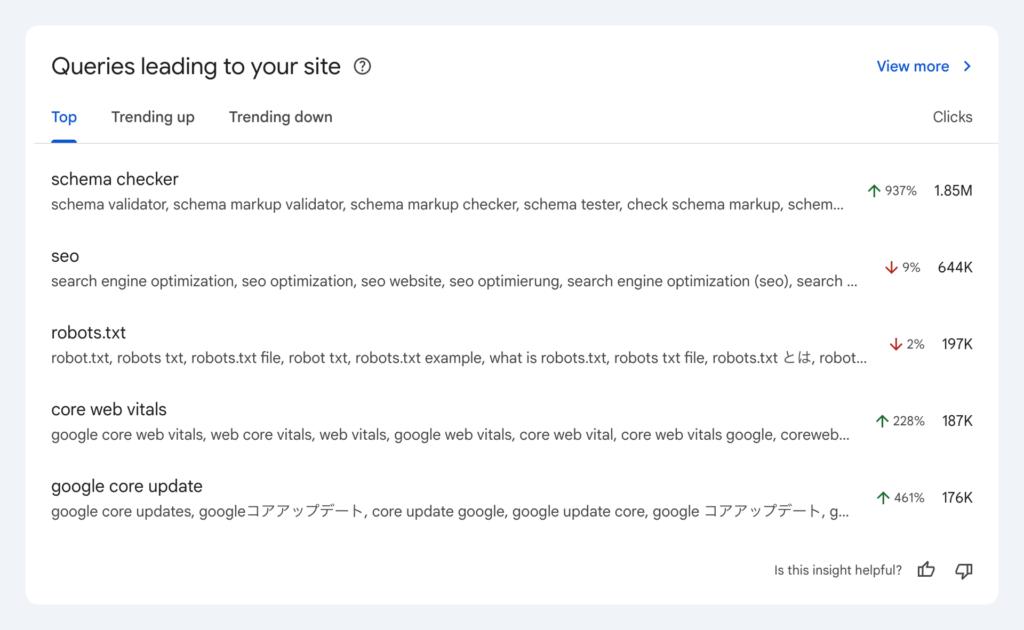
Different searchers can search for the same or similar topics using different search queries. Google launched Query groups to solve this problem. Instead of a long, cluttered list of individual queries, you will now see lists of queries representing the main groups that interest your audience. The groups are computed using AI.
Google fixed the Google Search Console reporting glitch
Google is fixing the reporting delay that occurred in Google Search Console performance reporting, according to Search Engine Land. Its data stopped at the 19th of October 2025, but has presently caught up to the usual 2-day lag.
Major SEO Industry debates and studies.
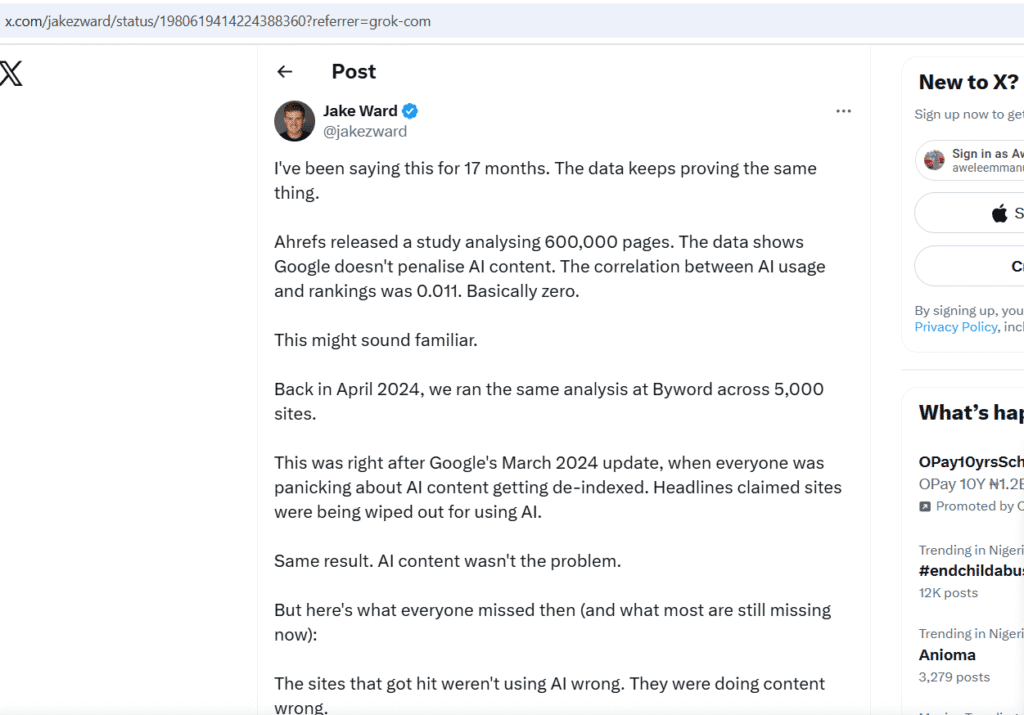
In October, the major SEO debate centered around AI content, after Ahrefs released its study analyzing 600,000 pages. The data shows Google doesn’t penalize AI content.
The study shows that 81.9% of top-ranking pages use a mix of AI and human content. Pure AI content rarely hits position one, but neither does pure human content dominate.
Some experts on X and Reddit argue that drops in traffic are a result of the strategy not using AI chatbots to write content.
Final word: AI browsers are beginning to spring up
AI browsers like ChatGPT Atlas, and Perplexity Comet are now available. It is very important to prepare every website for AI-assisted browsing, proper navigation, inclusion of schema, and clear page structure.
Prepare your websites for the new web experience or get left behind.